luck.fun / on-chain casino
A casino that can't cheat—
and can't keep your money.
Every game here settles by contract on Arbitrum. Roulette draws its winning number from Chainlink VRF; Slots commit a seed on-chain and reveal it at settlement. Add funds, play within disclosed limits, and cash out to your wallet whenever you want.
The premise of luck.fun
The contract, not the house.
One contract-governed casino account across every game — add funds, play within disclosed limits, then request cash-out to your connected wallet. Available and locked balances live on-chain, and the cash-out request, claim, and refund states stay independently visible.
01Connect wallet
02Add funds
03Play
04Cash out
→→→One standard, different proofs
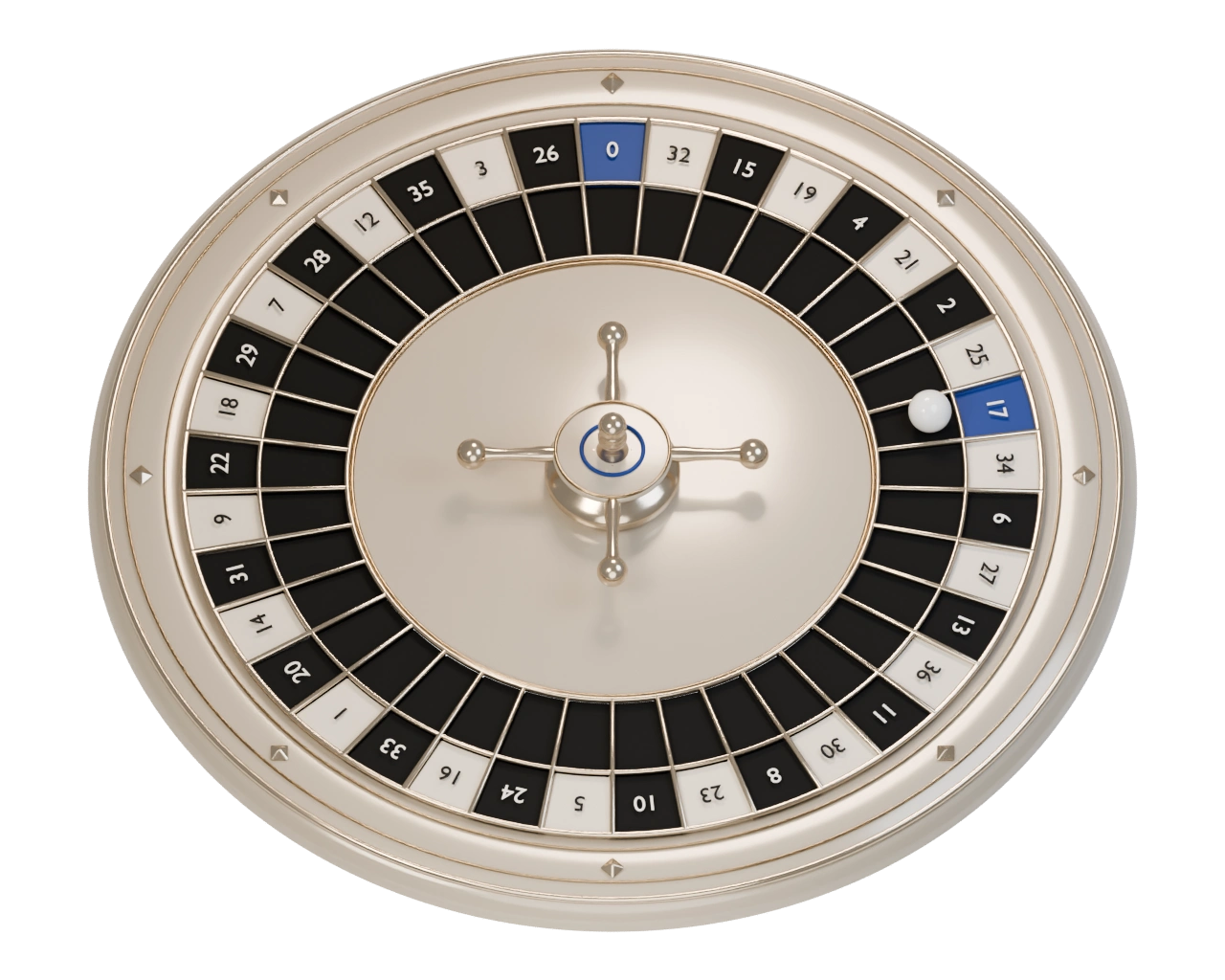
Roulette binds every closed round to Chainlink VRF — the operator never draws, holds, or commits the deciding number. Slots commit a server seed hash and your client seed on-chain at openSession and settle by re-running the exact spin math.
How it works →02 / CUSTODYContract-governed balance
Your casino balance is built on on-chain available and locked amounts, not an operator-only ledger. Cash-out requests, claims, and refunds are readable straight from the CasinoVault contract and every settled round.
Contract coverage →03 / LIMITSLimits you can see live
European single-zero math: 36× straight, 2× red/black, $0.10 minimum. The maximum bet scales with the live house bankroll, which the contract itself holds — check it from the table before you play.
View documented table →L
$LTK · ERC-20
Loser Token
Lose gracefully, but mint honestly. The first $1 of eligible casino GGR creates exactly 1 LTK; every later dollar creates less. A continuous public curve determines epoch issuance, which is allocated pro rata to eligible net losers. LTK is a transferable ERC-20 receipt—not a promise of price, liquidity, or redemption.